Accessibility of credit for women-led micro enterprises
Accessibility of credit for women-led micro enterprises
Accessibility of credit for women-led micro enterprises
Design Research • Research Methods • Social Innovation
Design Research • Research Methods • Social Innovation
Design Research • Research Methods • Social Innovation
Duration
Duration
6 Weeks
6 Weeks
Team Size
Team Size
5
5
Project Type
Project Type
Academic Project
Academic Project
Abstract
Abstract
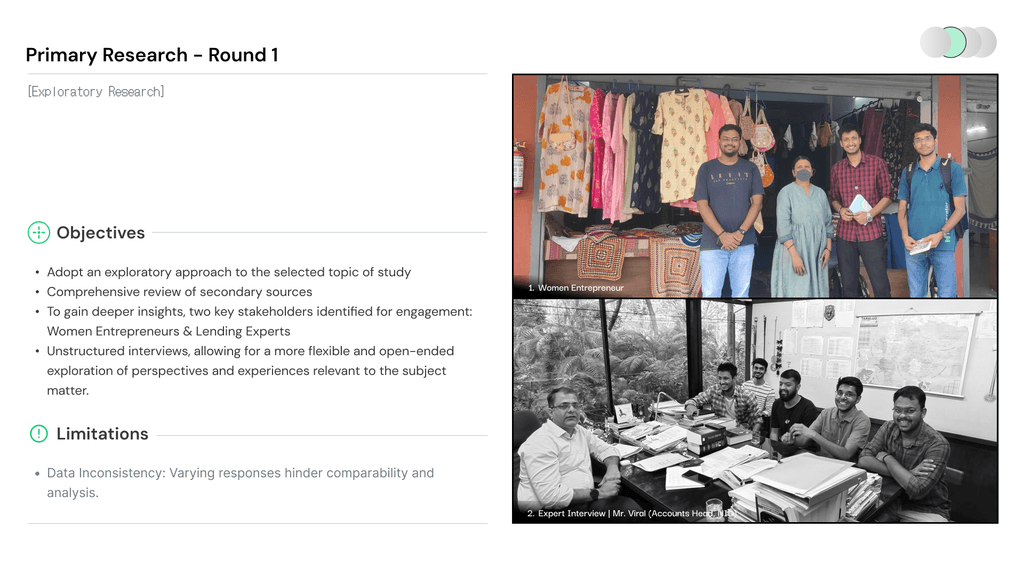
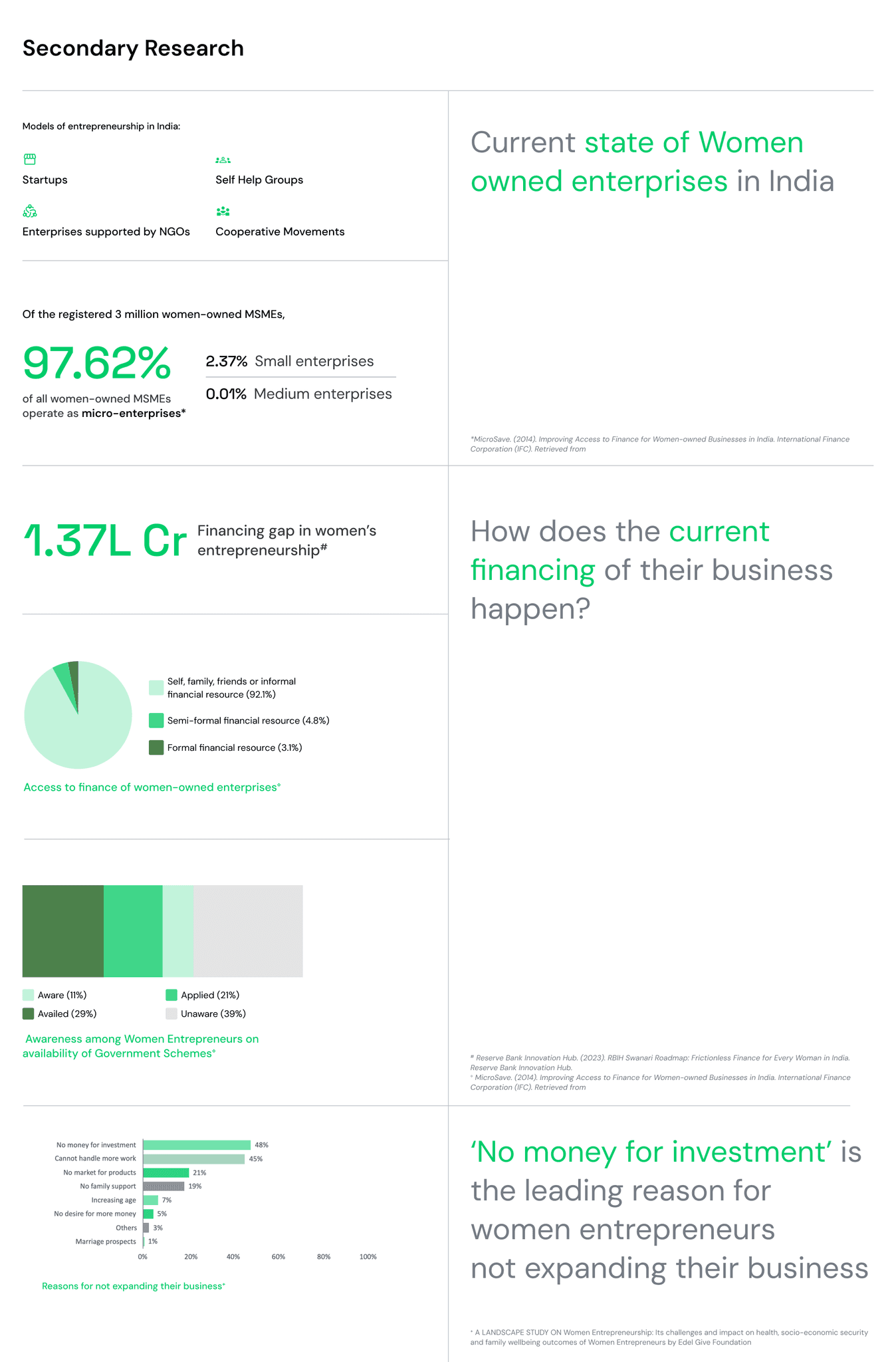
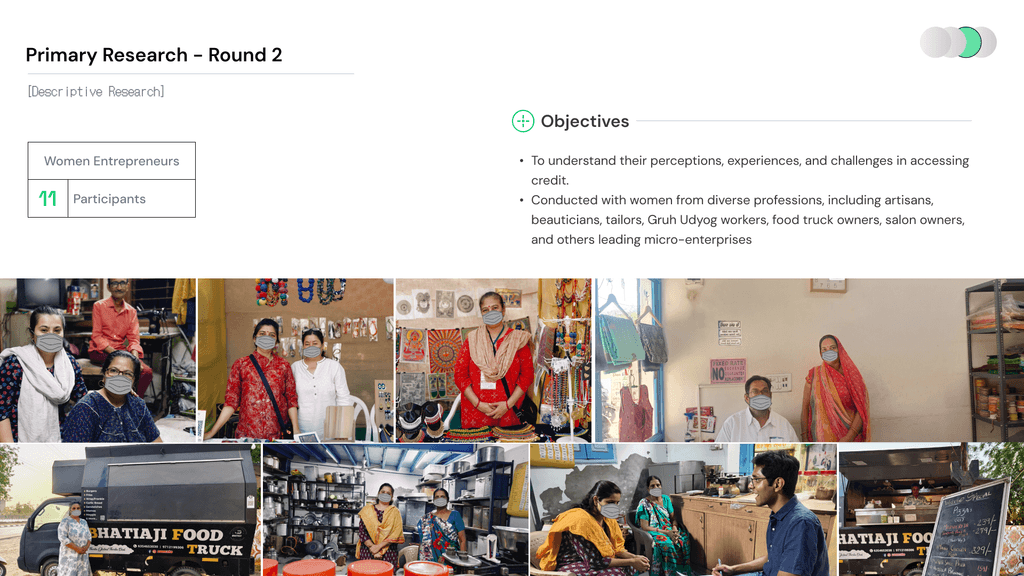
The limited credit-seeking behavior of women-led micro-enterprises (WMEs) in India warrants urgent attention due to its significant impact on economic growth and gender equality. Despite representing a large portion of India's MSME sector, women entrepreneurs face unique barriers to accessing formal credit, impeding their businesses' potential. Government initiatives like Stand-Up India and Mudra Yojana have not fully addressed this issue, which remains crucial for achieving SDG 5 (Gender Equality) and SDG 8 (Economic Growth).
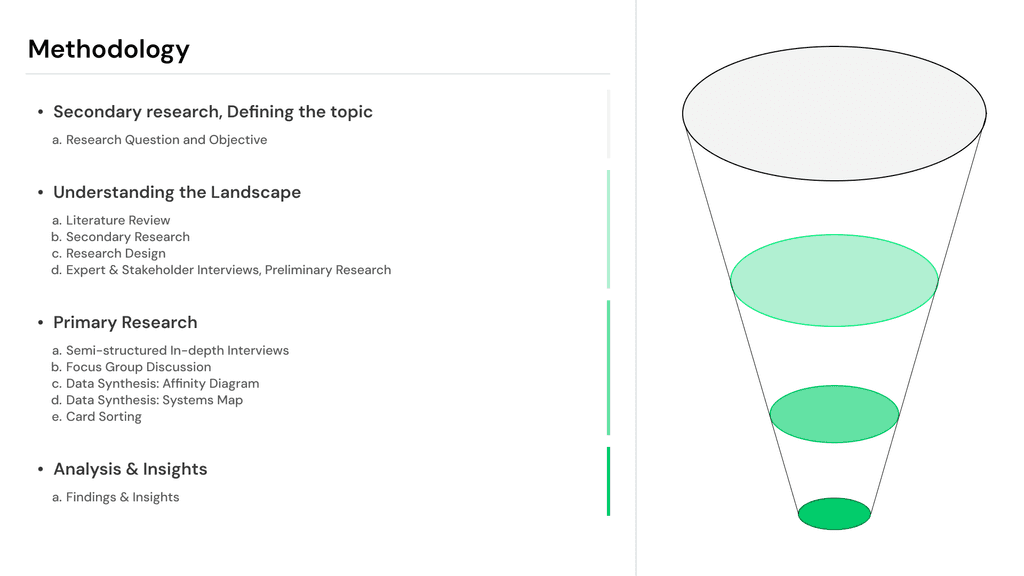
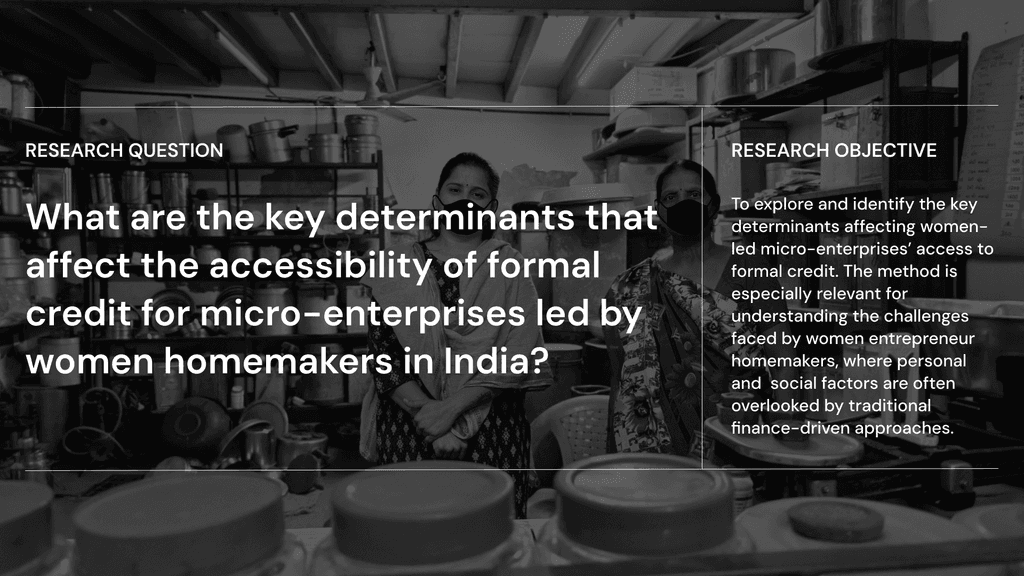
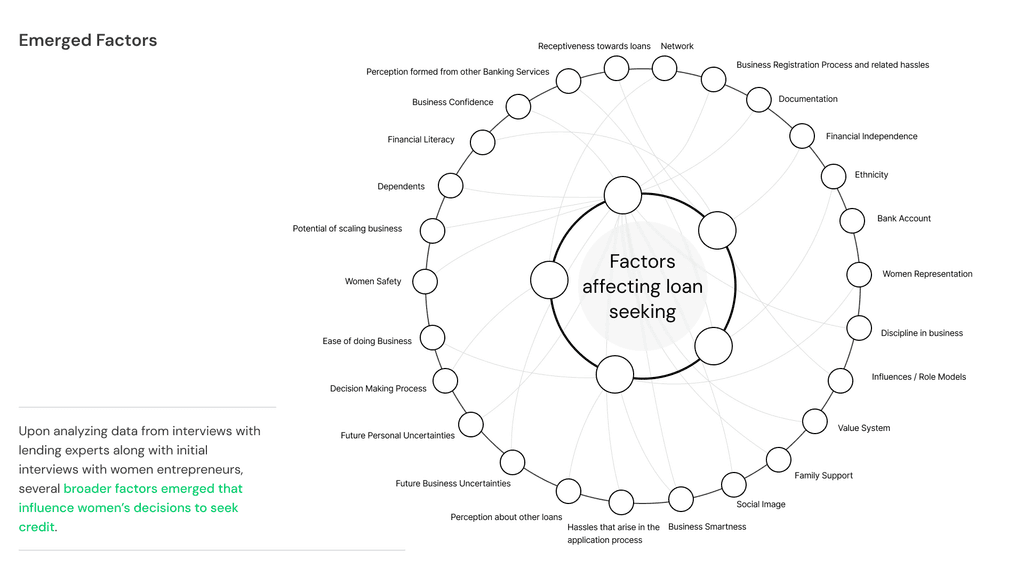
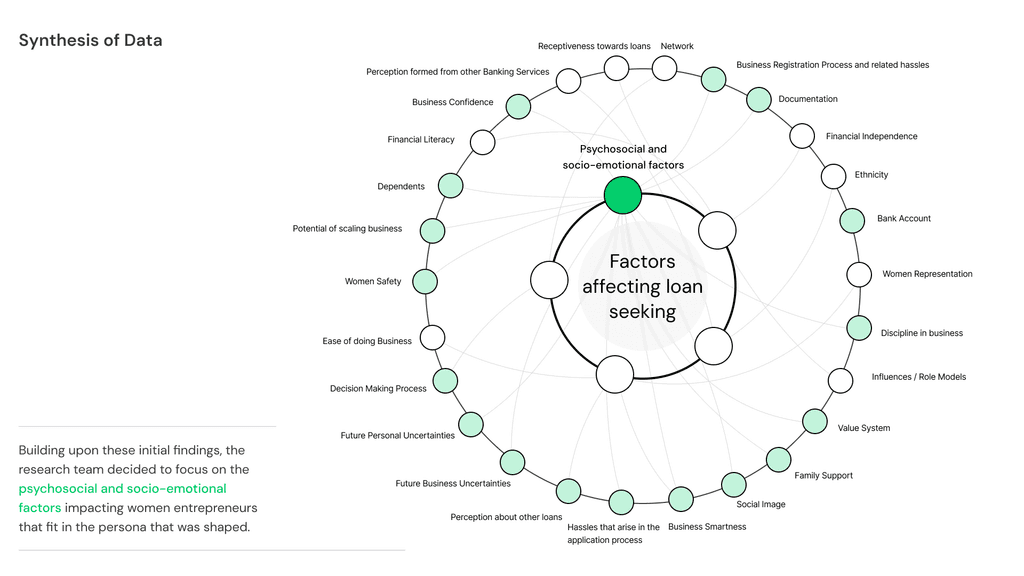
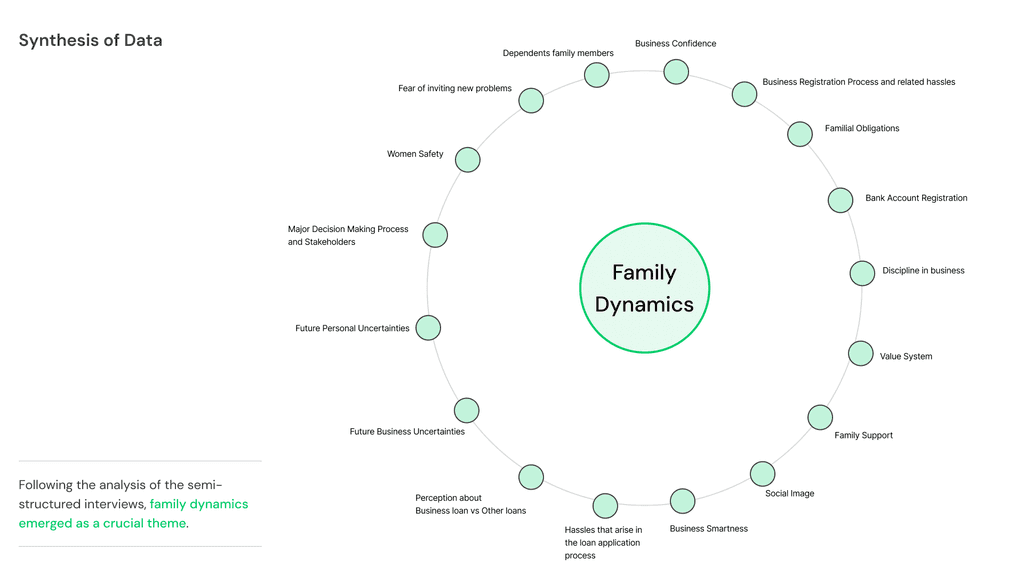
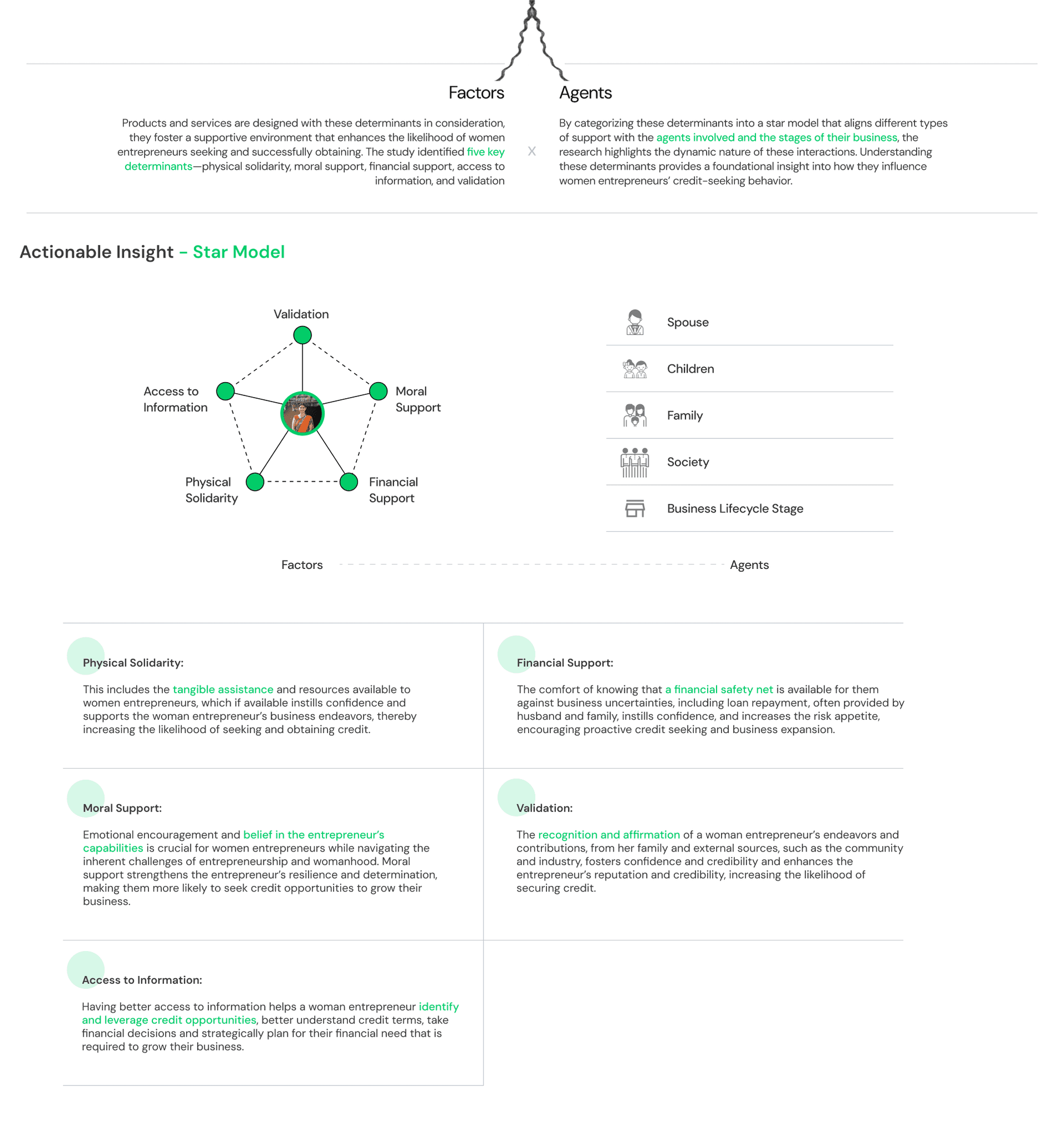
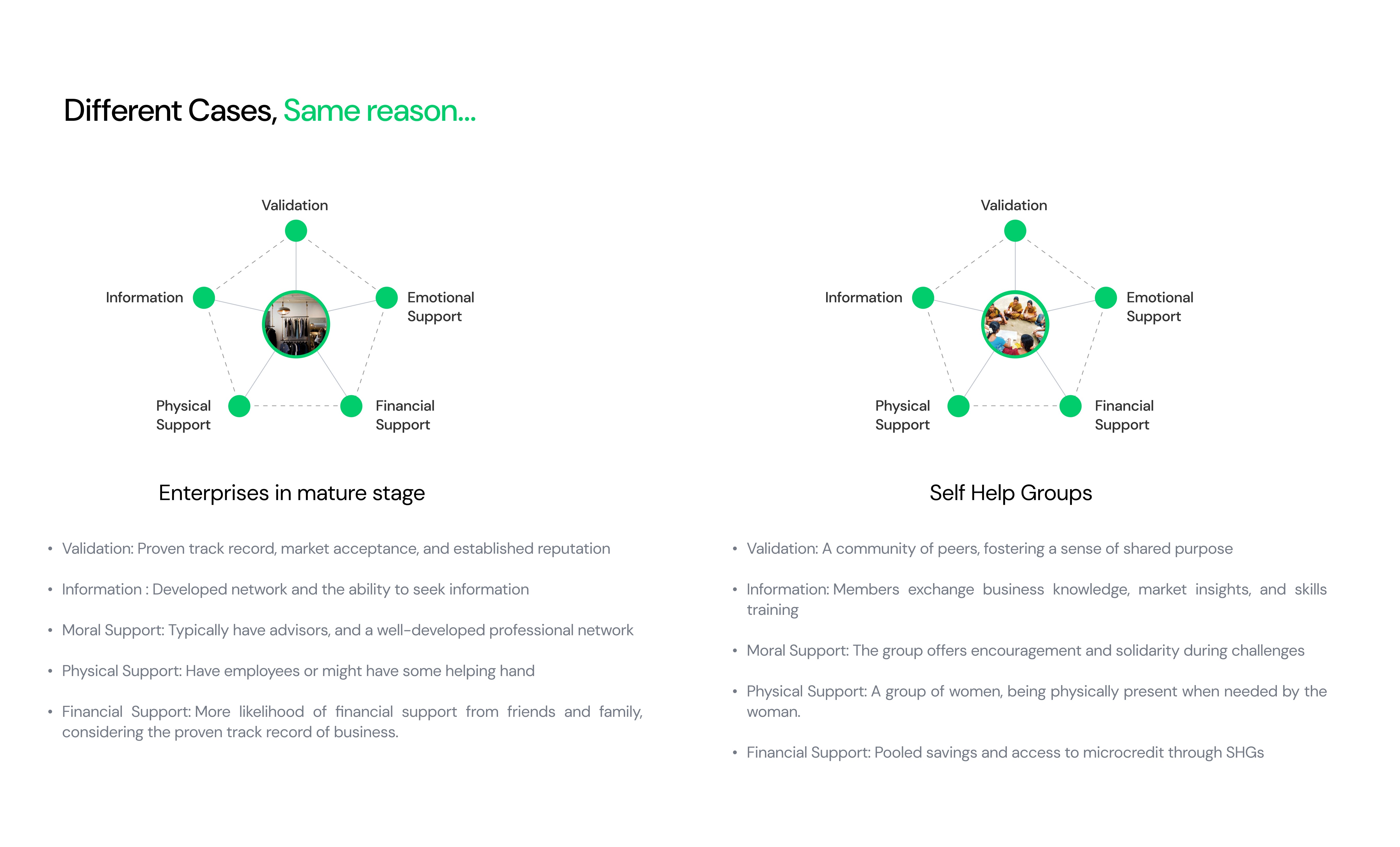
This study investigates key determinants affecting the credit accessibility of women homemakers leading micro-enterprises, emphasizing personal and social factors often overlooked by traditional finance models. Using a human-centric design methodology, the research identifies five core determinants—Physical Solidarity, Moral Support, Financial Support, Validation, and Access to Information—that shape credit-seeking behavior. These findings highlight the importance of tailored, stakeholder-driven solutions to improve access to credit for women entrepreneurs and inform more effective policies.
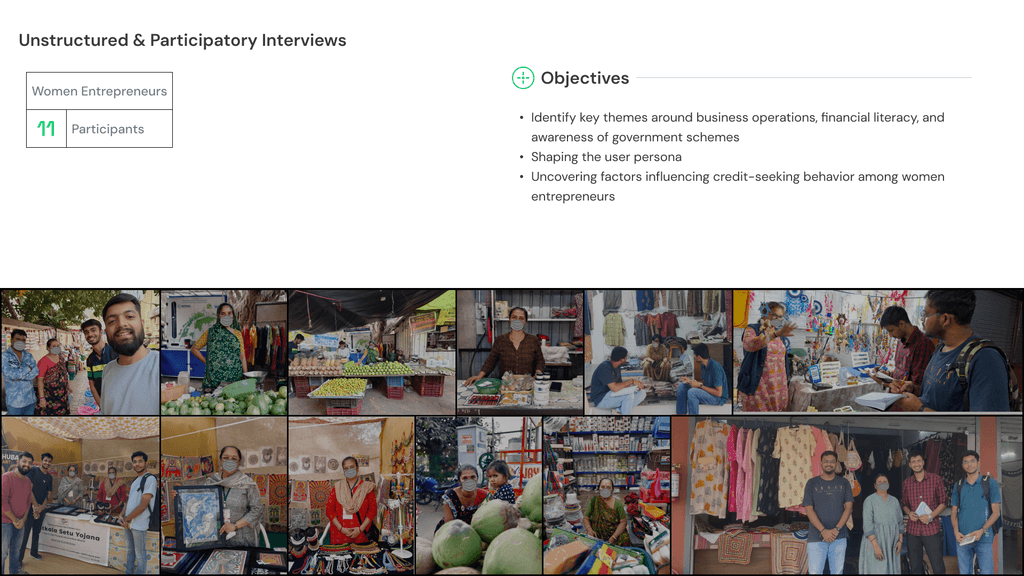
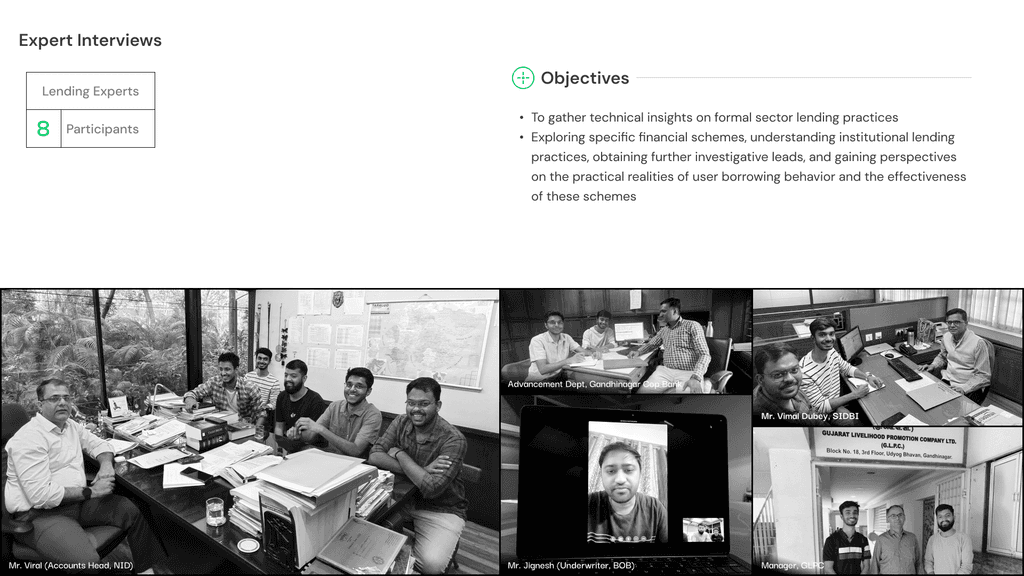
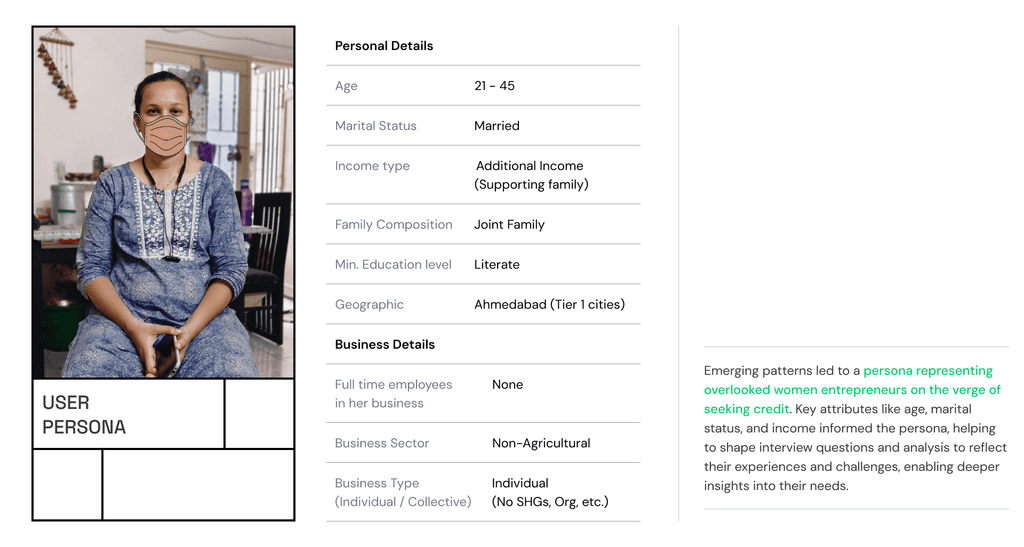
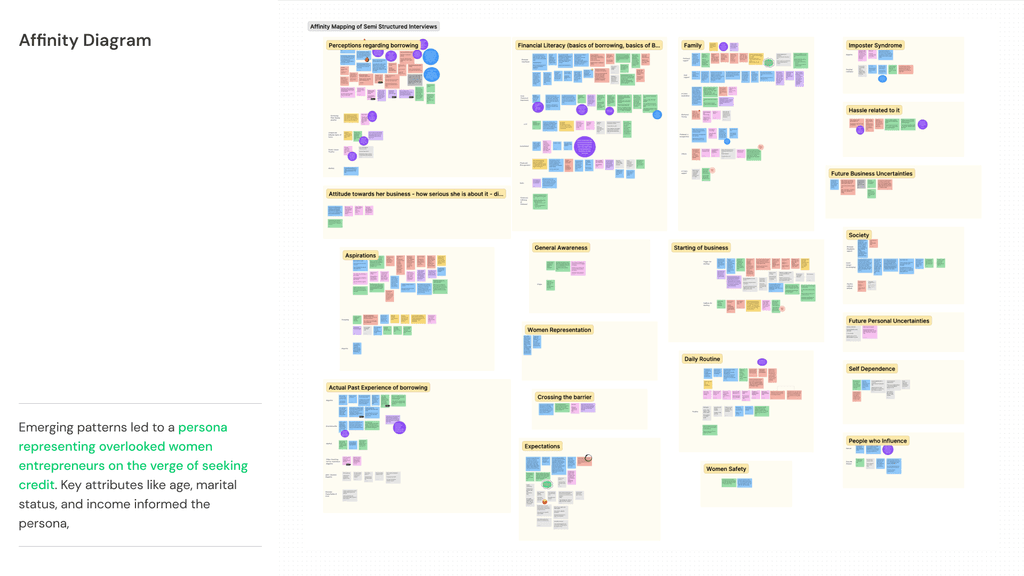
The research team, with diverse backgrounds, adopted an empathetic, iterative approach to understand these complexities, contributing to actionable insights for empowering women entrepreneurs and promoting inclusive development.
The limited credit-seeking behavior of women-led micro-enterprises (WMEs) in India warrants urgent attention due to its significant impact on economic growth and gender equality. Despite representing a large portion of India's MSME sector, women entrepreneurs face unique barriers to accessing formal credit, impeding their businesses' potential. Government initiatives like Stand-Up India and Mudra Yojana have not fully addressed this issue, which remains crucial for achieving SDG 5 (Gender Equality) and SDG 8 (Economic Growth).
This study investigates key determinants affecting the credit accessibility of women homemakers leading micro-enterprises, emphasizing personal and social factors often overlooked by traditional finance models. Using a human-centric design methodology, the research identifies five core determinants—Physical Solidarity, Moral Support, Financial Support, Validation, and Access to Information—that shape credit-seeking behavior. These findings highlight the importance of tailored, stakeholder-driven solutions to improve access to credit for women entrepreneurs and inform more effective policies.
The research team, with diverse backgrounds, adopted an empathetic, iterative approach to understand these complexities, contributing to actionable insights for empowering women entrepreneurs and promoting inclusive development.

National Institute of Design, Gandhinagar, Gujarat, IN
@2024 Parth Katrodiya. All rights reserved
National Institute of Design, Gandhinagar, Gujarat, IN
@2024 Parth Katrodiya. All rights reserved
National Institute of Design, Gandhinagar, Gujarat, IN
@2024 Parth Katrodiya. All rights reserved