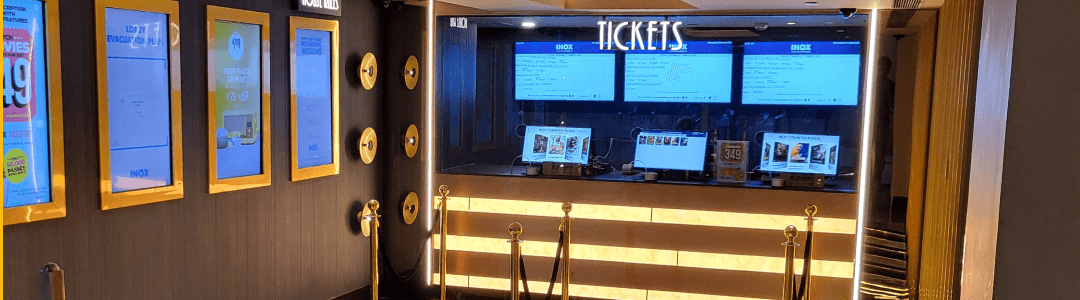
Designing for Audience Immersion
Designing for Audience Immersion
design for behavior change • simulation design
design for behavior change • simulation design
Duration
Team Size
Project Type
4 Weeks
4
Academic Project
Abstract
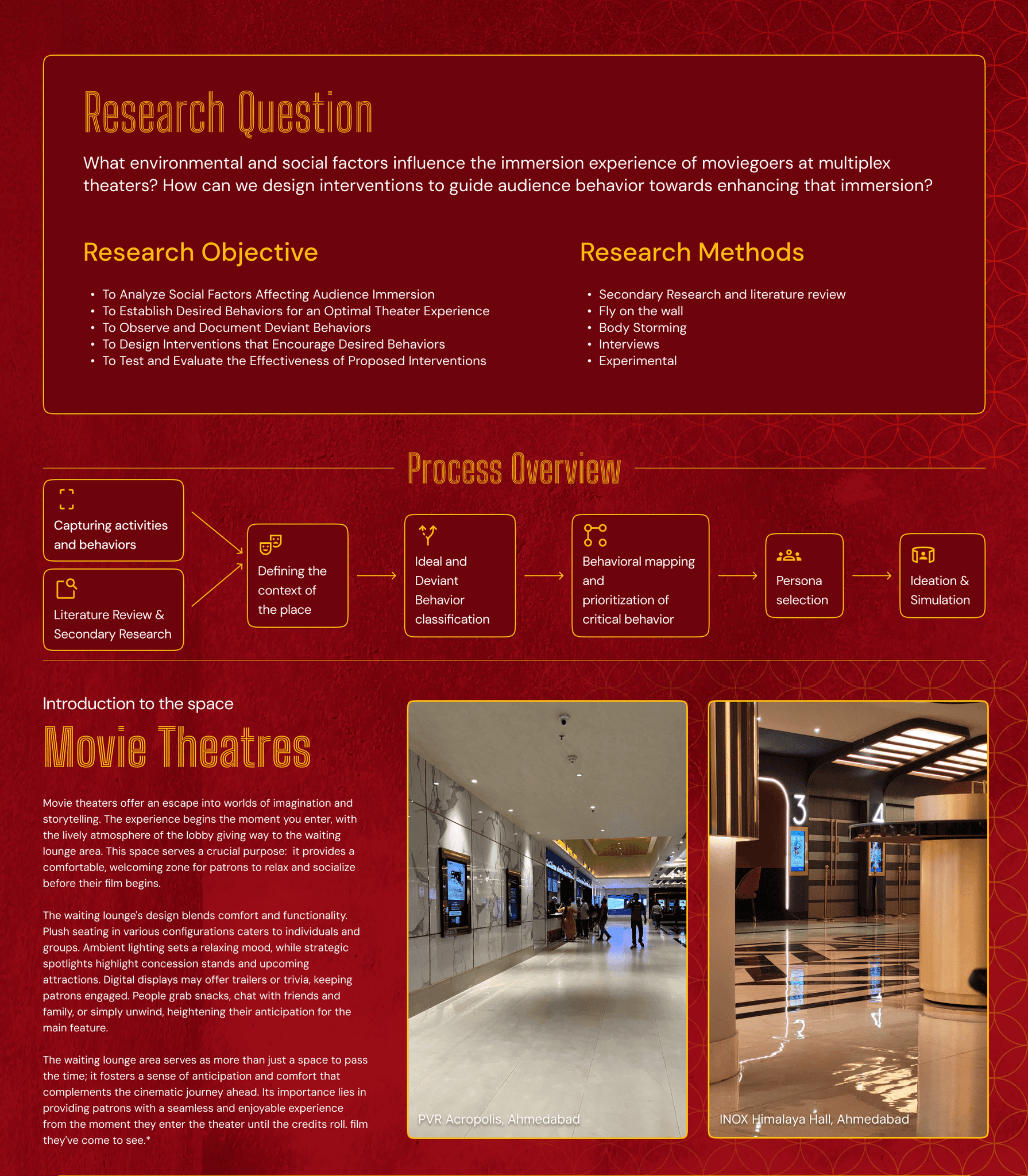
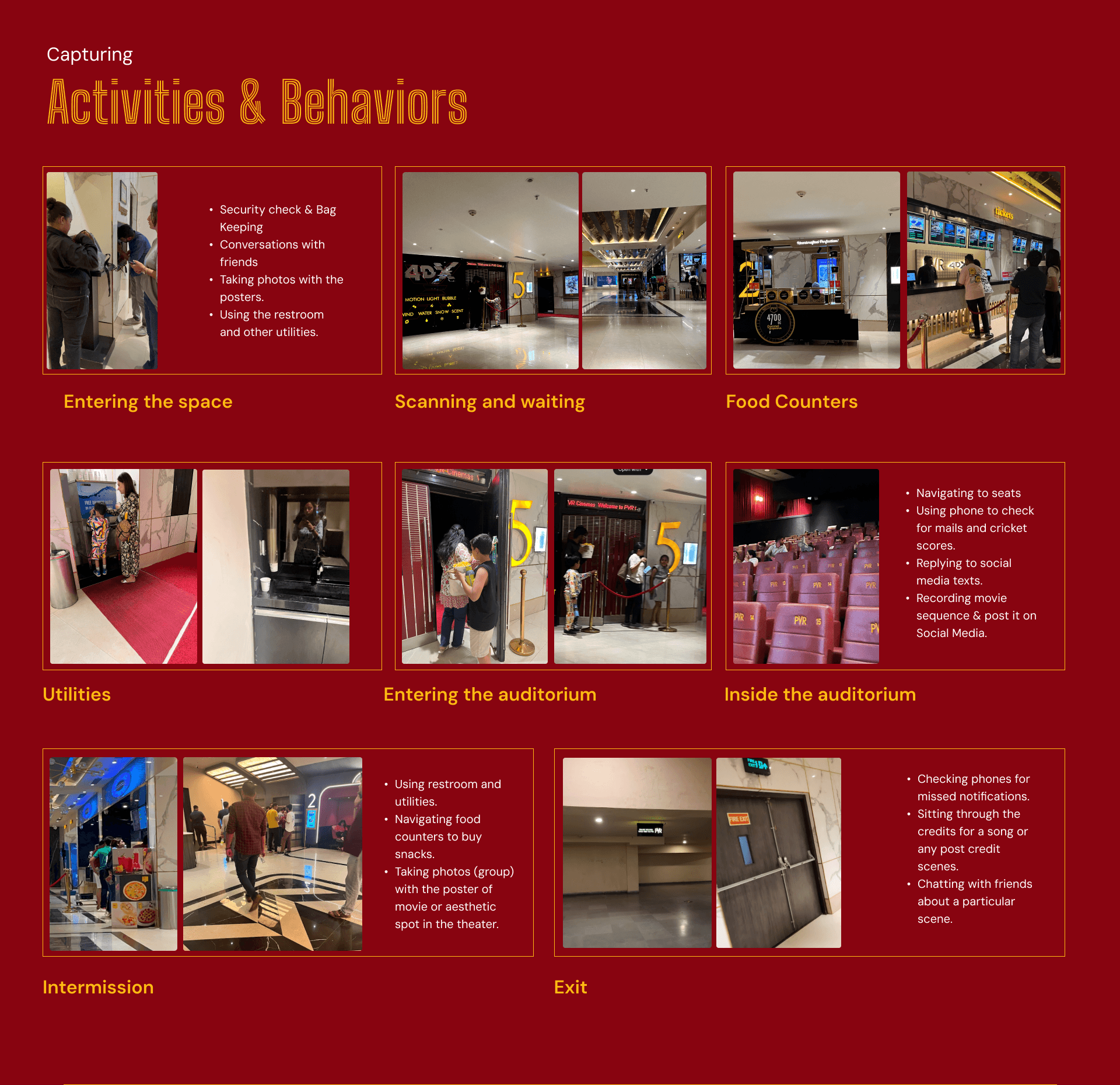
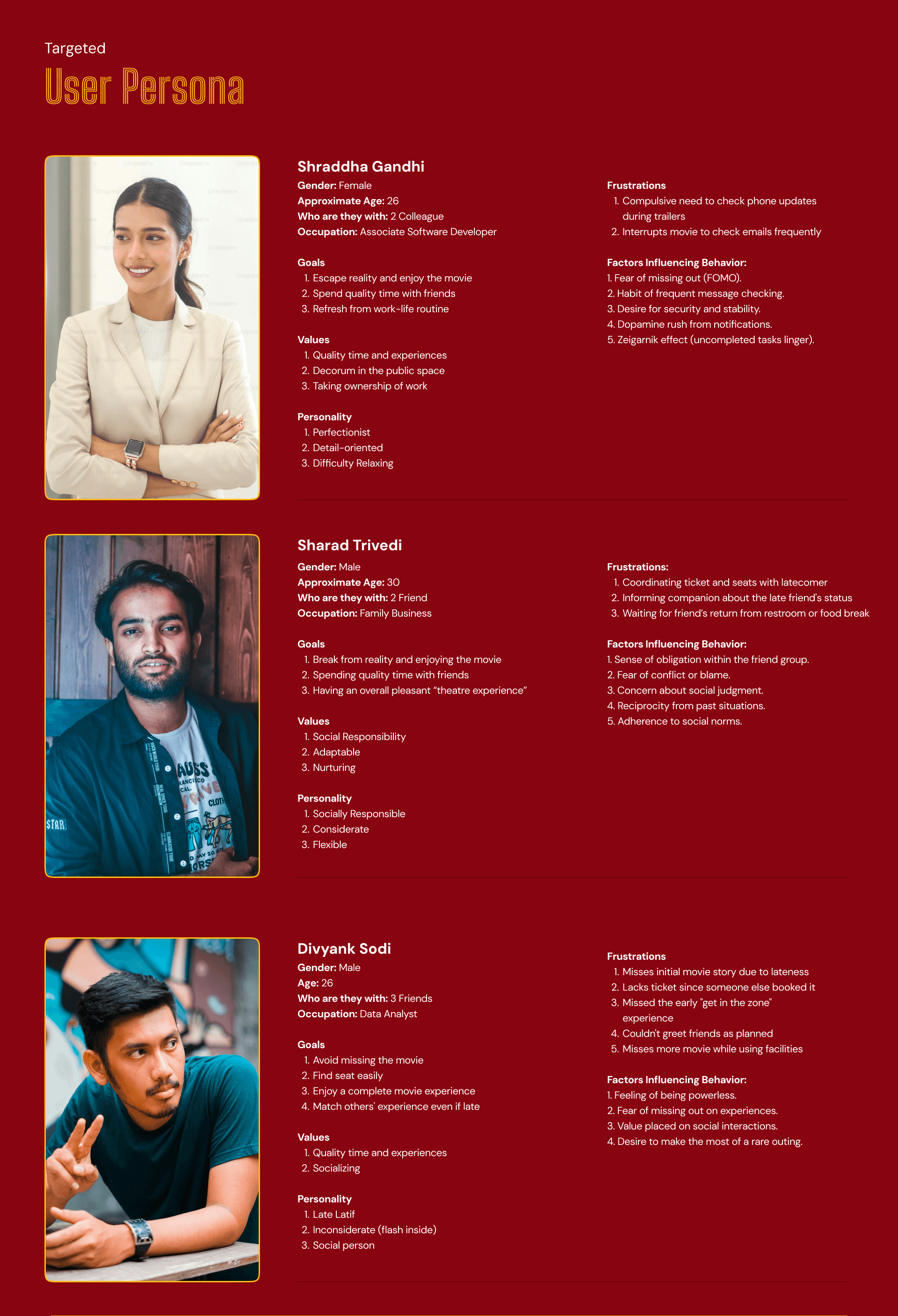
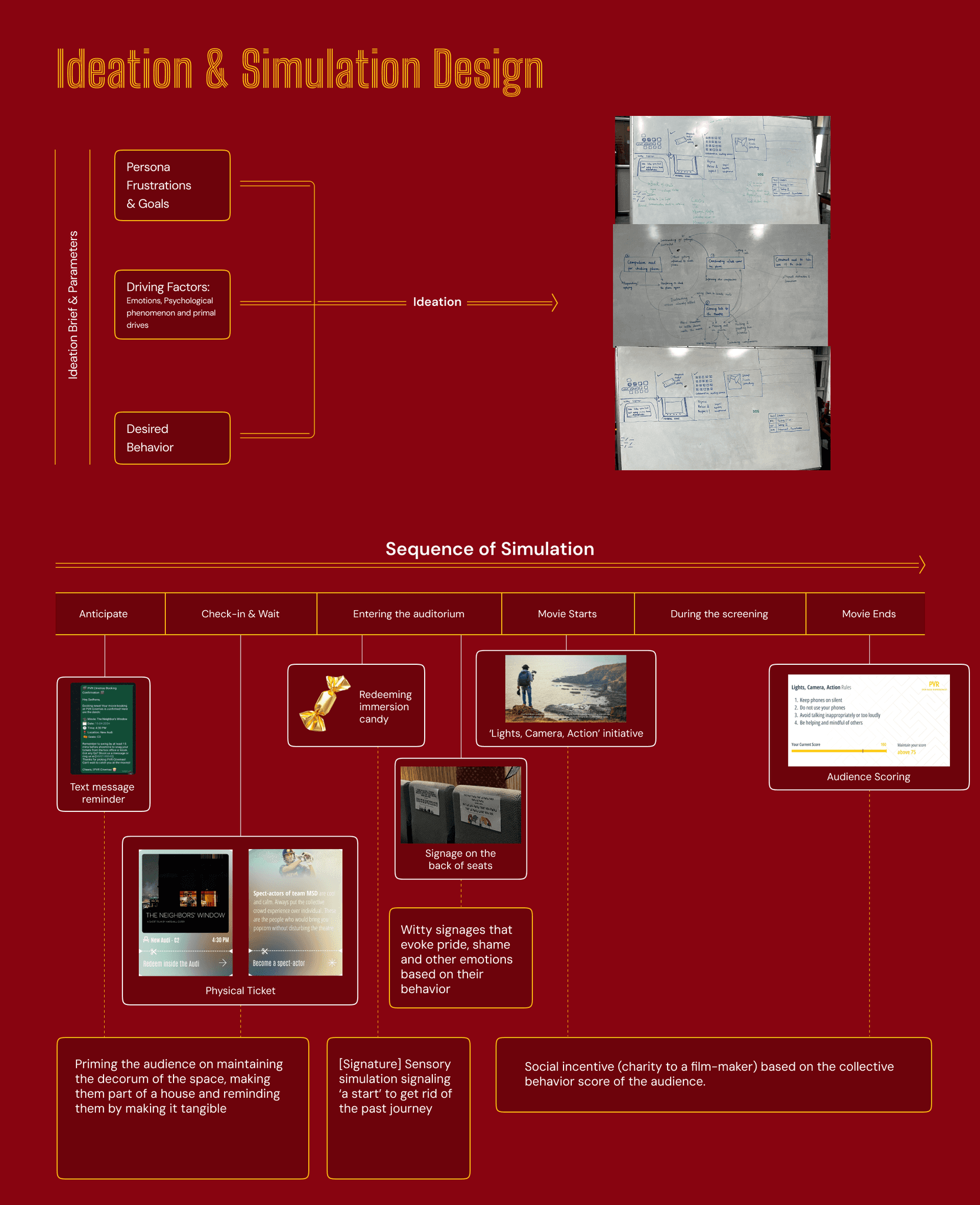
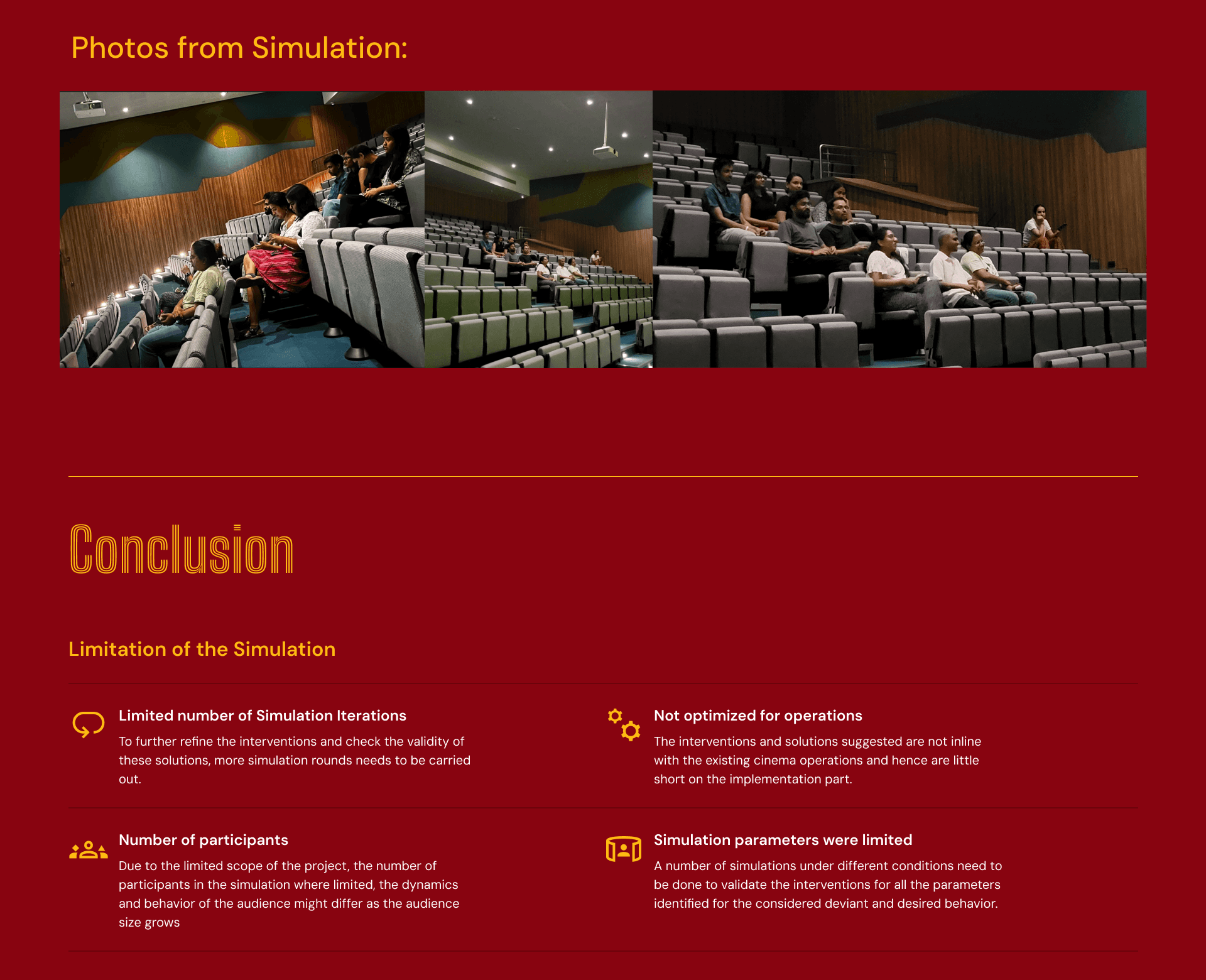
This project was dedicated to studying audience behavior in a theater setting, with a particular focus on understanding what impacts immersion and expected behavior. By closely observing theatergoers, we documented their actions, preferences, and any instances where their behavior deviated from the norm. This careful observation allowed us to identify the root causes behind behaviors that disrupted the immersive experience, whether it was due to environmental factors, distractions, or social influences. To address these issues, we designed a series of subtle yet targeted behavioral interventions. These interventions, or nudges, were intended to encourage contextually desired audience behavior, enhancing the theater experience without restricting personal freedom. This project underscores the importance of creating environments that foster deep engagement and seamless immersion.
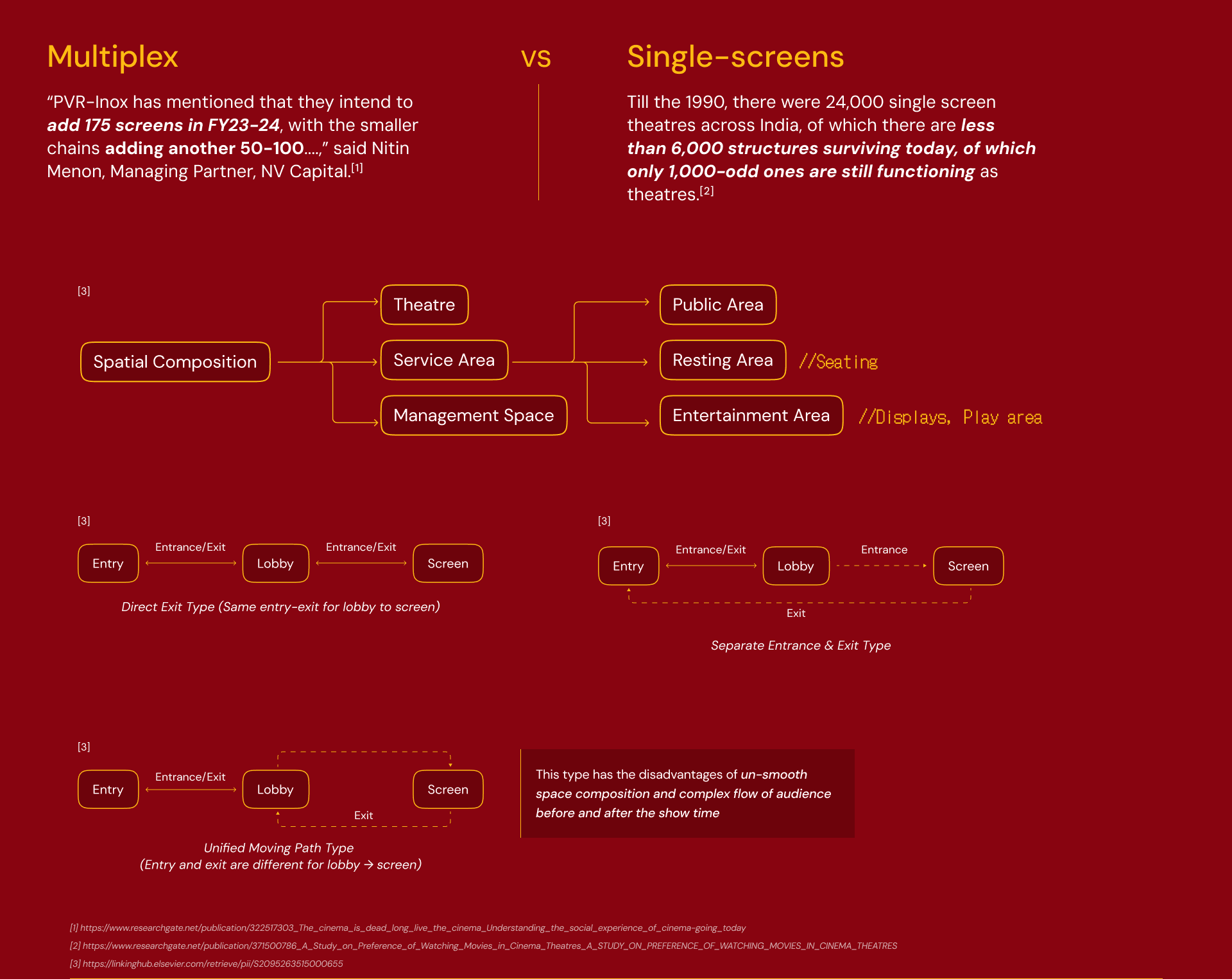
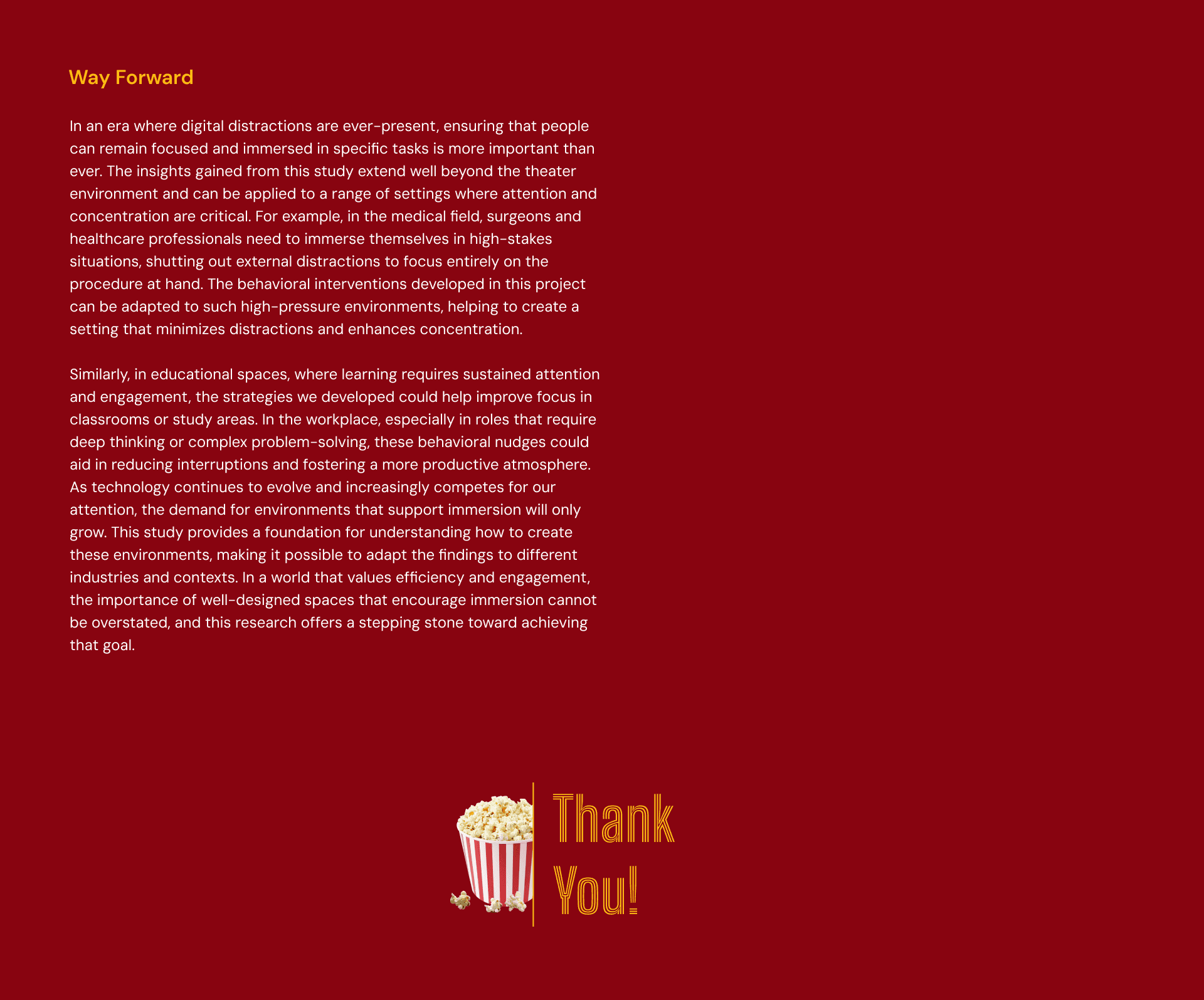
The lessons learned here suggest that such strategies could have a broader application in other fields where maintaining attention and immersion are crucial. By examining how space design and subtle cues can influence behavior, the project sheds light on how similar techniques could be used outside of theaters.
White Paper:
Designing for Audience Immersion

National Institute of Design, Gandhinagar, Gujarat, IN
@2024 Parth Katrodiya. All rights reserved
National Institute of Design, Gandhinagar, Gujarat, IN
@2024 Parth Katrodiya. All rights reserved
National Institute of Design, Gandhinagar, Gujarat, IN
@2024 Parth Katrodiya. All rights reserved

Designing for Audience Immersion
design for behavior change • simulation design
Abstract
This project was dedicated to studying audience behavior in a theater setting, with a particular focus on understanding what impacts immersion and expected behavior. By closely observing theatergoers, we documented their actions, preferences, and any instances where their behavior deviated from the norm. This careful observation allowed us to identify the root causes behind behaviors that disrupted the immersive experience, whether it was due to environmental factors, distractions, or social influences. To address these issues, we designed a series of subtle yet targeted behavioral interventions. These interventions, or nudges, were intended to encourage contextually desired audience behavior, enhancing the theater experience without restricting personal freedom. This project underscores the importance of creating environments that foster deep engagement and seamless immersion.
The lessons learned here suggest that such strategies could have a broader application in other fields where maintaining attention and immersion are crucial. By examining how space design and subtle cues can influence behavior, the project sheds light on how similar techniques could be used outside of theaters.