Design Research
•
Strategy
7
min read
May 17, 2024
Design As A Strategic Resource: Case Of Credit Access For Women-Led Micro-Enterprises
Uncovering The Factors Enabling Or Disabling Women-Led Enterprises From Borrowing Money — Through Design Research
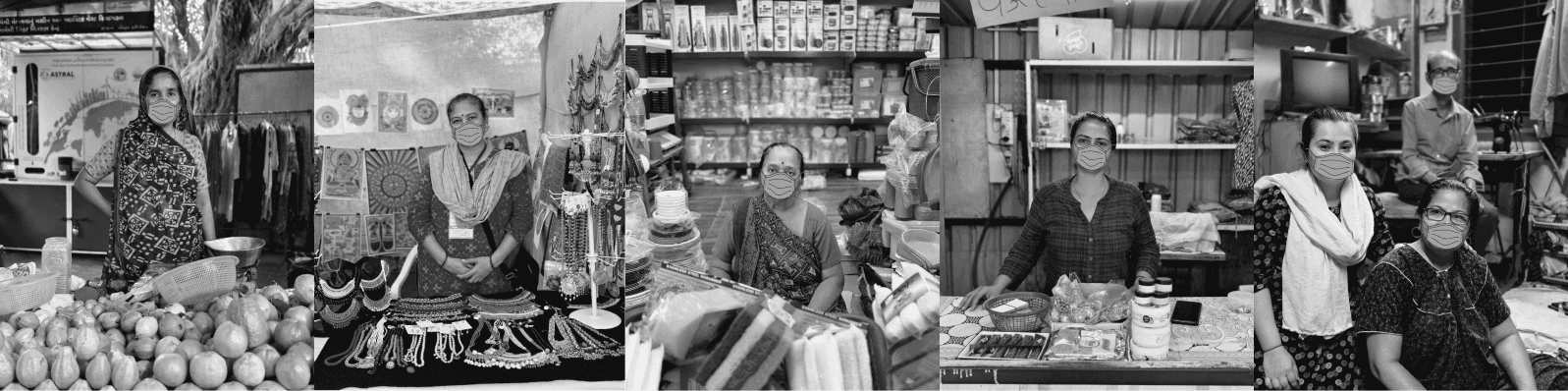
Credits: Mohit Khetrapal
Arundhati Bhattacharya took charge of SBI — the country’s largest lender — in 2013 and was the bank’s first (and to date only) woman chairman. In March 2022, Madhabi Puri Buch not only became the first female chief of the markets watchdog but was also the first non-IAS person to head SEBI — the regulatory body in two decades. On one side women are making strides in the country at all major positions of importance but the other side shows an equally skewed landscape when it comes to access to credit for women-owned businesses on various scales.
But why is it important? Why is it important that women venture out into businesses? Why is it important that women-led businesses seek credit and grow their businesses? Let’s start by understanding this context a little bit.
Women Venturing into Businesses:
The below chart showcases the impact of women venturing into entrepreneurship in various aspects:
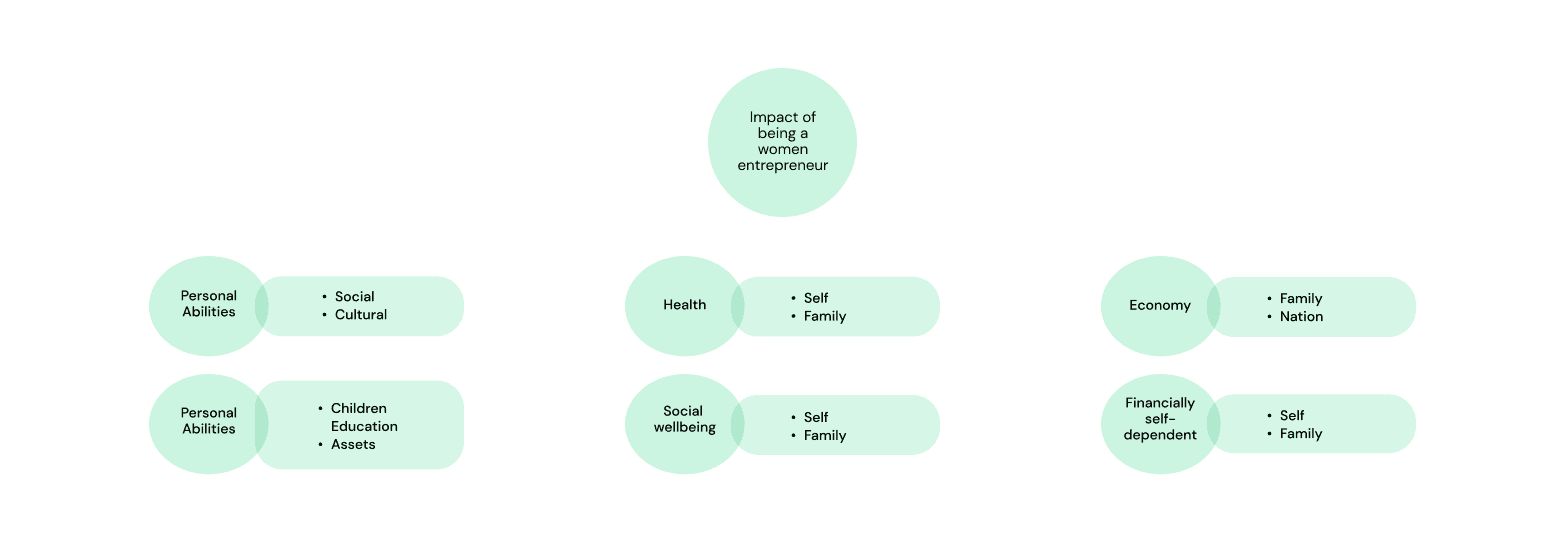
Women Entrepreneurs are far more empowered, self-sufficient, and have better decision-making abilities as compared to those who are in paid or unpaid jobs (IFC, World Bank Group). Hence, developing entrepreneurship capabilities among women and supporting them to be entrepreneurs would go a long way in empowering women.
Female entrepreneurship is particularly critical for India because it catalyzes women’s participation in the labor force, at a time when India’s Female Labor Force Participation Rate is at a historic low, having fallen to 17.5% in 2017–18. Only 7% of working-age women in India have paid jobs currently, as per a recent report in The Economist. Yet, only 7 of 100 entrepreneurs in India are women and of them, nearly half (49.9%) get into business out of necessity rather than aspiration, according to a November 2020 report of the Initiative for What Works to Advance Women and Girls in the Economy, a gender research and advocacy organization.
Seeking Credit
Borrowing is such a quintessential part of businesses, lending to women-owned micro, small, and medium enterprises (MSMEs) as a distinct segment is still unexplored when compared to lending to MSMEs in India. Nearly 70.37 percent of their financing demand remained unmet translating to a financing gap of INR 1.37 lakh crore.
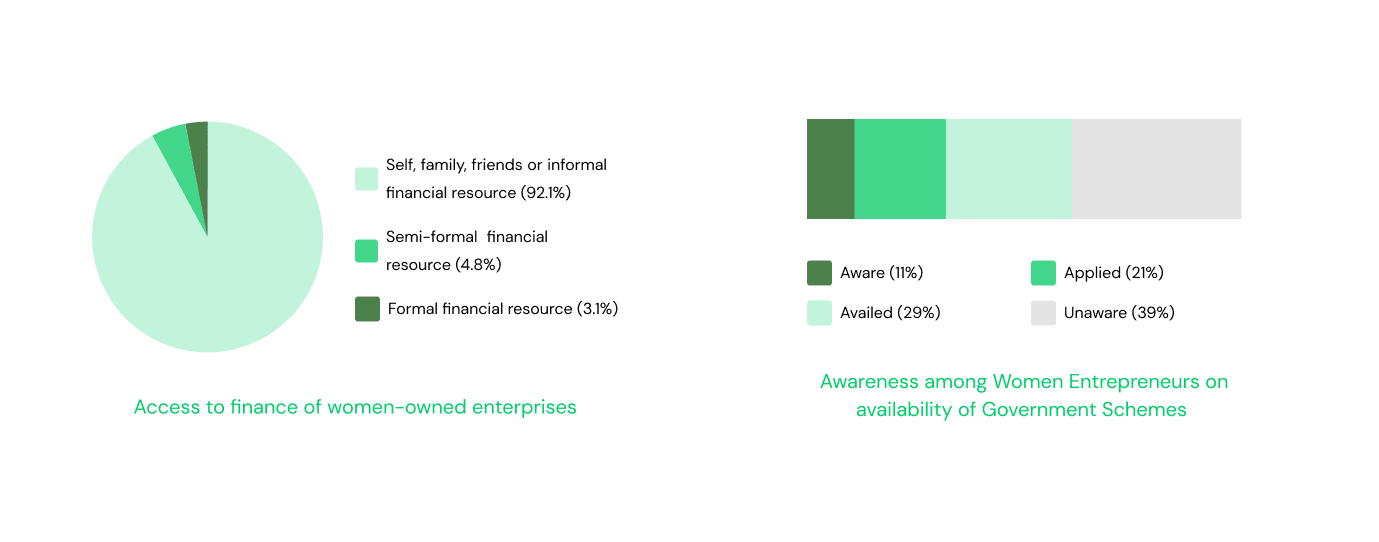
Despite numerous schemes under the central government and by various banks, there remains a gap in the effective utilization of these schemes. The above visualization shows awareness regarding these schemes among women.
—————
Research Question:
"Key determinants influencing the decision to seek credit from banks for micro-enterprises led by women homemakers"
Objective of the Research:
Identify and advocate for solutions that remove barriers to facilitate smoother access to loans and empower entrepreneurial homemakers to grow their businesses, contribute to the economy, and improve their livelihoods.
—————
Leveraging Design
Using the Principles and philosophies of Design, we conducted design research on this topic. Design is increasingly being used as a strategic resource. It has somewhere evolved from the demand of industry for commercial art and craft to commissioned improvisation of war machines for better performance, mass production, and utility in WW2. Fast forward to today where global corporations and governments are using design for a competitive edge and tackle today’s complex problems.
Below are some extracts from the research projects that can throw some light on how can design be utilized for solving problems for business, governance, social cause, and more.
Who to empathize with? Design Research is Contextual
Design is a purposeful act. In the end, design always has to have a purpose to address, and to fulfill that purpose, it is essential to understand the context in which the design is being carried out. Design is user-centric. That means when designing a poster, a product, or an interaction, the user who is supposed to be catered to is kept at the center. Similarly, extending this practice for designing financial products, services, schemes, and policies should be done keeping these users at the center and so the first step when initiating the design research is to identify and appropriately define our user persona.
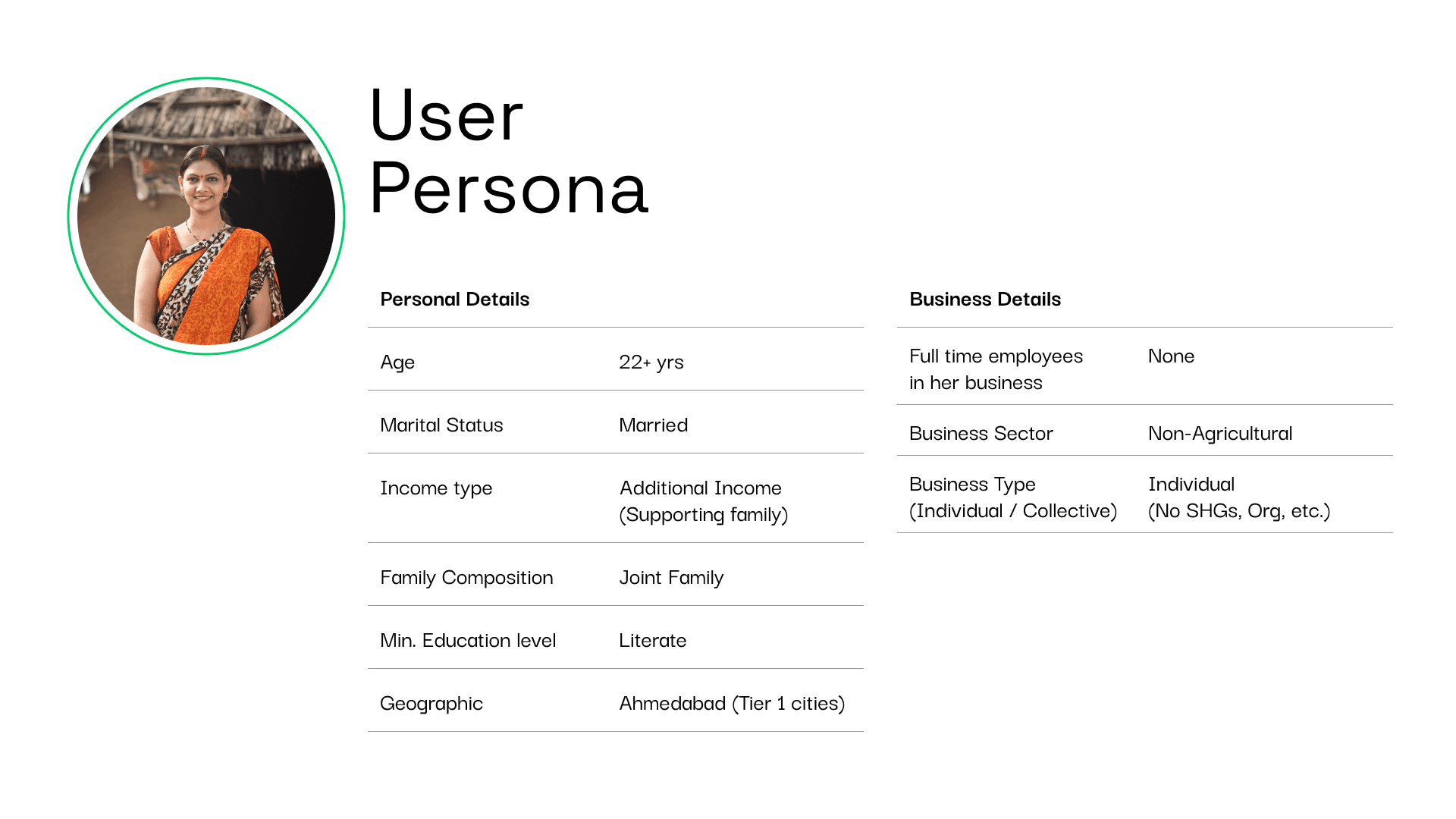
The rationale for selecting a specific persona for the research is a discussion in itself. Answering the ‘who’ and the ‘why’ drives the further direction of the process. Keeping the user persona at the center not only keeps the research and inquiry focused and grounded but also helps the business understand the all-round and deeper context of the users they are catering to. This brings us to the next point.
Knowing the User
Once the context of your interest is set, the strength of design research lies in the ways of getting to know the users. In the case of this study, once we have determined the factors that affect their credit-seeking behavior, we dig deeper into the cause of the factor as to why is this happening. Uncovering the social, cultural, and primal drives that are driving some of their behaviors.
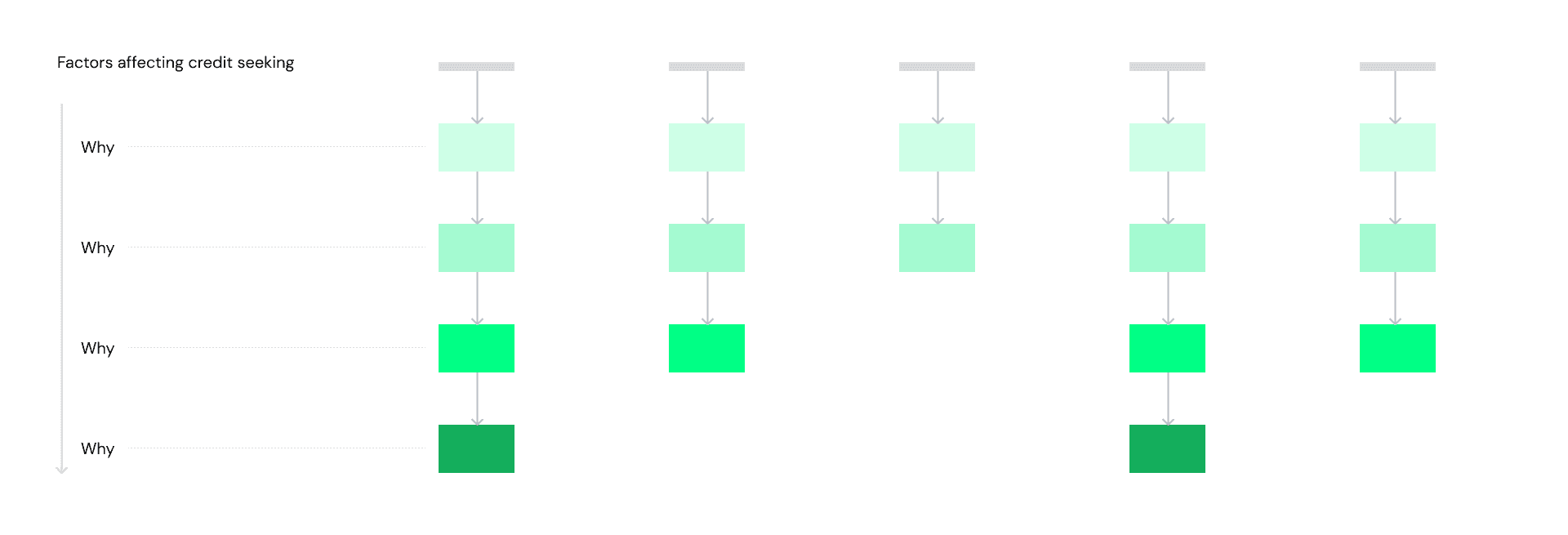
Depending on the scope and objective of the research, the selection of methodology is done where a broad as well as a deep perspective of the user is taken into consideration ranging from their routine, and lifestyle to beliefs, values, and much more. All of this helps the designers better step inside the shoes of that user who is at the center of this process. This helps in not just getting an idea of the problem but also gives a foresight into ways of intervention that are to come out of this.
There are two parts to this: Collecting data and evidence and Interpreting or making sense of that data. [Social] Science gives you that data and Humanities helps you interpret data or make sense of any event based on provided evidence. As Gjoko Muratovski mentions, Design is still an evolving and changing field. New design knowledge is being appropriated from the fields of social sciences, environmental studies, business management, and more. The purpose of using various ways of knowing your customers is the construction of a rich and meaningful picture of a complex and multifaced situation.
The Ways of Knowing
This is the methods part of methods and methodology. Several creative tools have been developed over time to help designers along the design process ranging from data collection in research to testing and validating the solutions. Our research used various tools, one of them is this (below image) card sorting tool tweaked to fit the context of our inquiry.
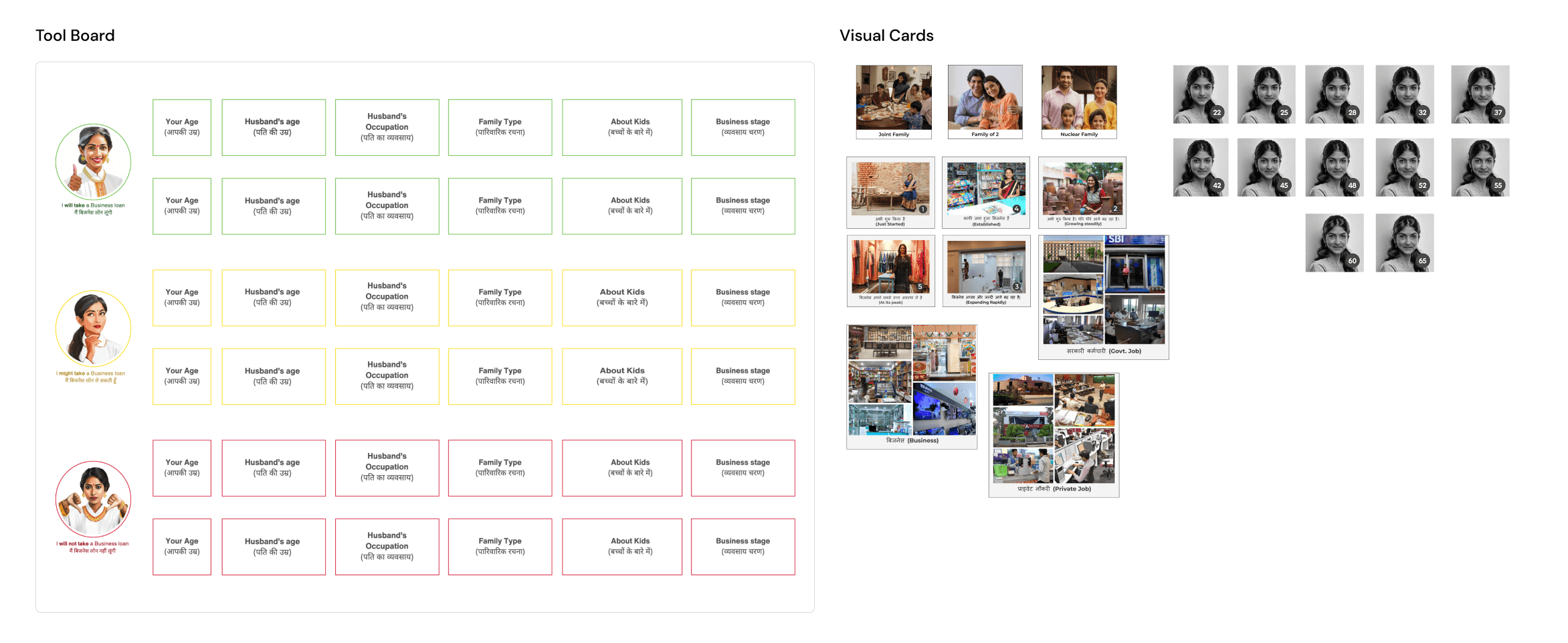
When we found that the combination of their lifecycle stage and their business stage is a major influence in borrowing money for their business, we wanted to dive deeper into the nuances of this intersection. With this tool, we were able to better understand their reasoning and rationale behind this thought process. These methods have their limitations and are mitigated through means of triangulation.
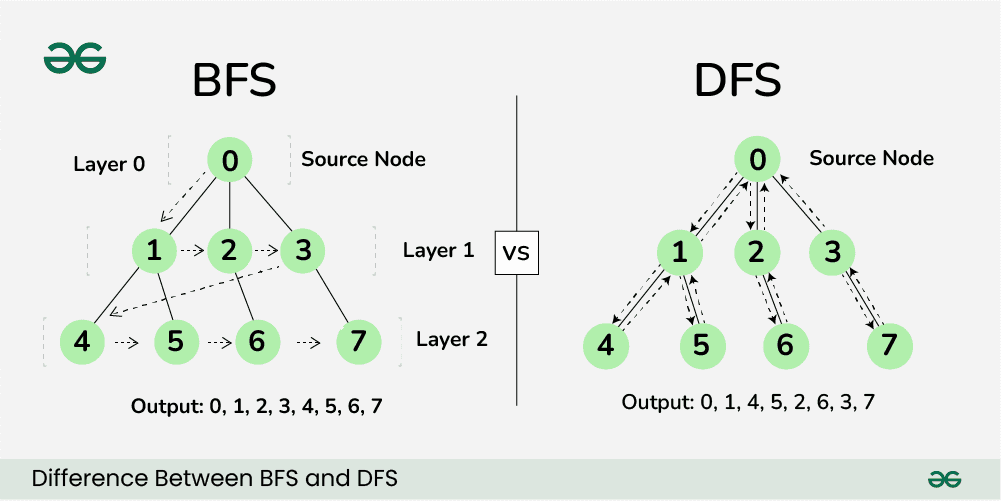
A designer-ly approach is solution-based and iterative. To better understand this, compare this with the scientific way of knowing where the ‘problem’ itself and its nature is thoroughly studied to uncover the complete range of acceptable solutions. However, a designer-ly way of knowing is trying out a range of solutions and eliminating the ones that are not suitable until the desired result is achieved (Cross). A crude analogy from the computer science domain is the depth-first search vs a breadth-first search.
A major reason for such an approach is the very nature of design problems that are generally ill-defined, ill-structured, or ‘wicked’ (Rittel and Webber, 1973) unlike the scientific problems that are precisely set and defined by the scholars themselves. This has been widely recognized now to tackle the complex challenges posed to us.
—————
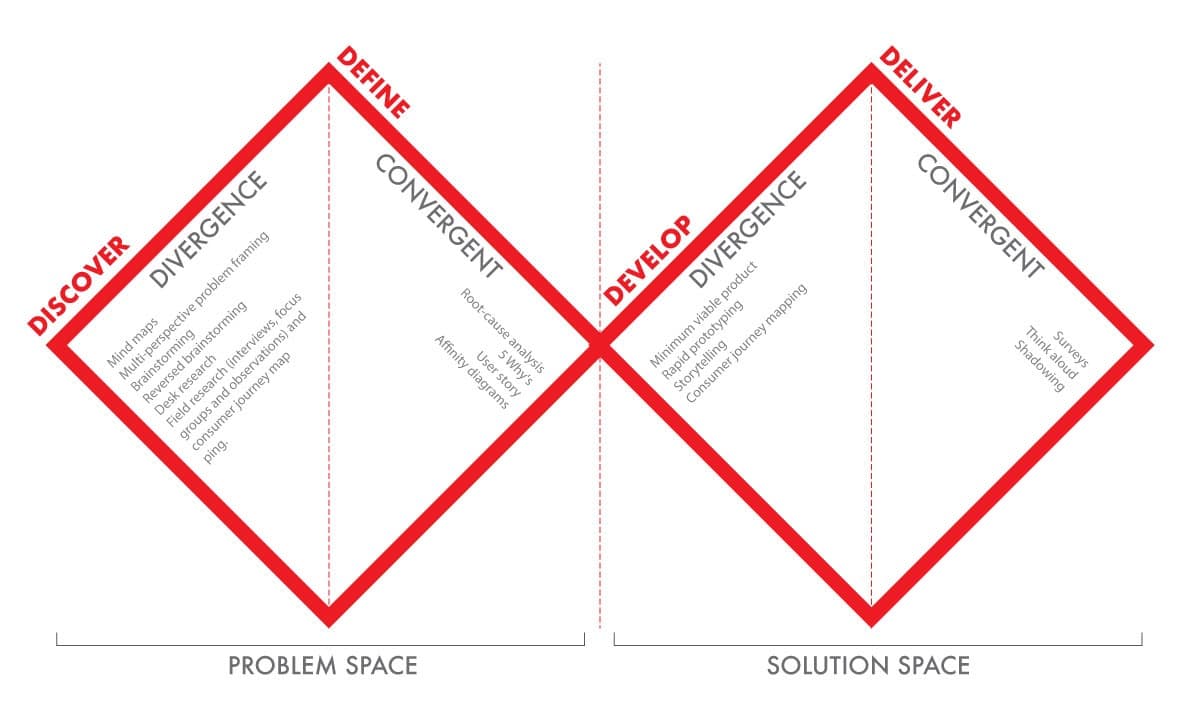
While this article explores the aspects of design in the problem space of the design process, similarly, it has its application in the solution space as the other part of the design process — something to explore later on.
More about the Study:
This study on the Accessibility of Credit for Women-Led Micro Enterprise is an academic project in a group with Divyank, Jaydeep, Mohit, and Sharad and mentored by Prof. Jitendra Rajput. This project was a part of 6 weeks module on Design Research at the M.Des program in Strategic Design Management at NID, Gandhinagar.
We would be glad to discuss the study in detail with anyone interested in it. Please reach out to any of us to read a detailed report on the study.
Thank you for reading!